Guide
Ethical AI Voice Agents: Building Trust and Compliance in Customer Interactions
Learn how to build ethical AI voice agents that protect privacy, ensure transparency, and comply with 2026 regulations like GDPR and TCPA.
Published 6 min read
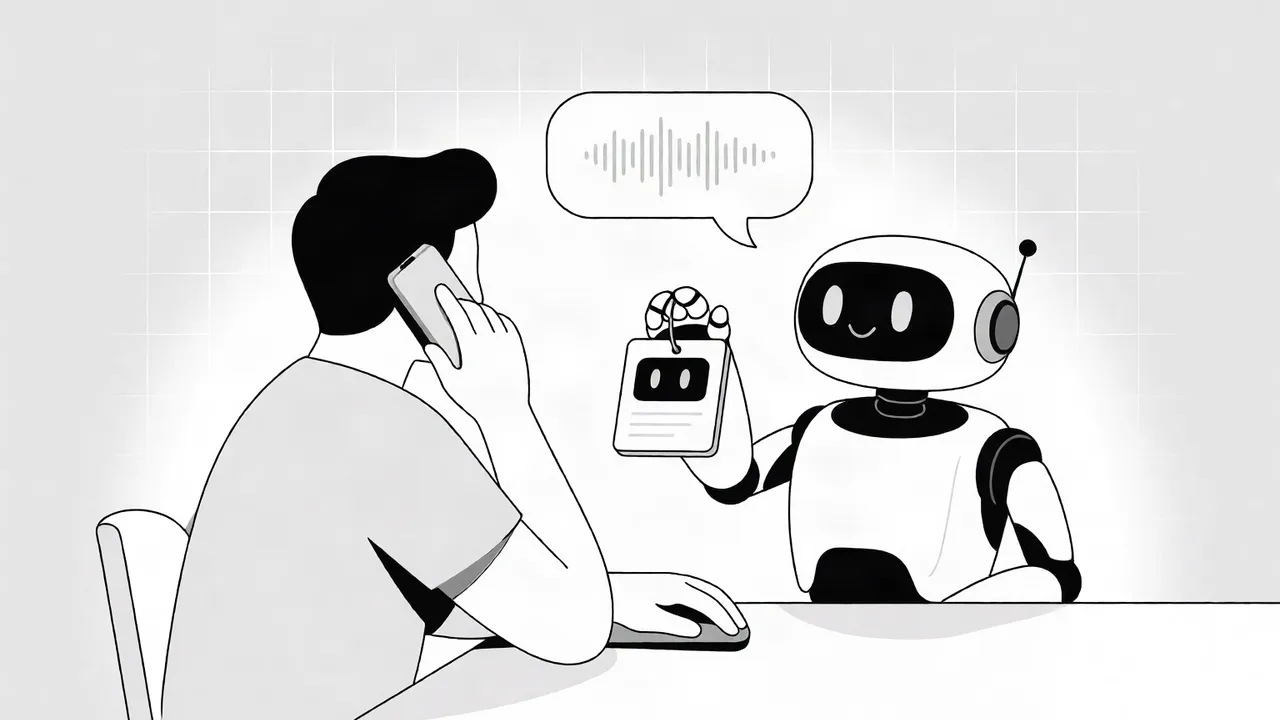
To deploy ethical AI voice agents in 2026, you must enforce explicit disclosure, secure data in-region, and provide clear opt-out mechanisms. Trust is not optional; it is the prerequisite for adoption. If customers do not know they speak to a machine, the interaction is deceptive by design. We have found that transparent calls actually reduce hang-up rates when handled correctly.
Key takeaways
- Disclose AI identity on every call, not just at the start.
- Process data in-region (US/EU/CH) to meet residency laws.
- Build human escalation paths for complex or sensitive interactions.
- Treat consent management as a technical requirement, not an afterthought.
Why do ethical considerations matter for AI voice agents in 2026?
Ethical considerations matter because regulations now treat synthetic voice as data processing with higher risk. In 2026, ignoring ethics invites fines, reputational damage, and platform bans. A voice agent that sounds human but hides its identity violates core privacy principles. We treat these constraints as product features, not hurdles.
The landscape is shifting rapidly. As noted in broader industry discussions, the ethical landscape of AI voice agents requires clear boundaries to prevent misuse [Thoughtly on the ethical landscape of AI voice agents]. Businesses often skip this until they face a compliance audit. By then, rebuilding trust costs far more than building it correctly from day one.
We see companies trying to hide agent capabilities to improve conversion. This backfires. Customers detect unnatural pauses or repetition. Once trust breaks, recovery is hard. Ethical design stabilizes expectations. It ensures the caller knows what to expect, reducing friction and support tickets related to confusion.
How do you ensure transparency and disclosure?

You must state the system is automated at the beginning of every interaction. Recurring calls require repeated disclosure to maintain compliance. Our runtime enforces a standard greeting that identifies the AI before business logic begins. This prevents accidental deception during routine follow-ups.
Disclosure should be audio and text-based where applicable. If the channel supports it, show a banner in the UI. For pure voice, a clear spoken script is mandatory. Aircall highlights that privacy and transparency risks include hidden identity, which erodes user trust [Aircall's guide on AI voice agent privacy]. We bake this into the core handshake protocol.
Some platforms skip this for brevity. That is a mistake. We have seen teams lose call credits because recordings were archived without proper flags. Your system logs must tag these as disclosed conversations. It simplifies legal review and ensures you can prove you did not mislead a caller during a dispute.
How do you safeguard sensitive voice data?
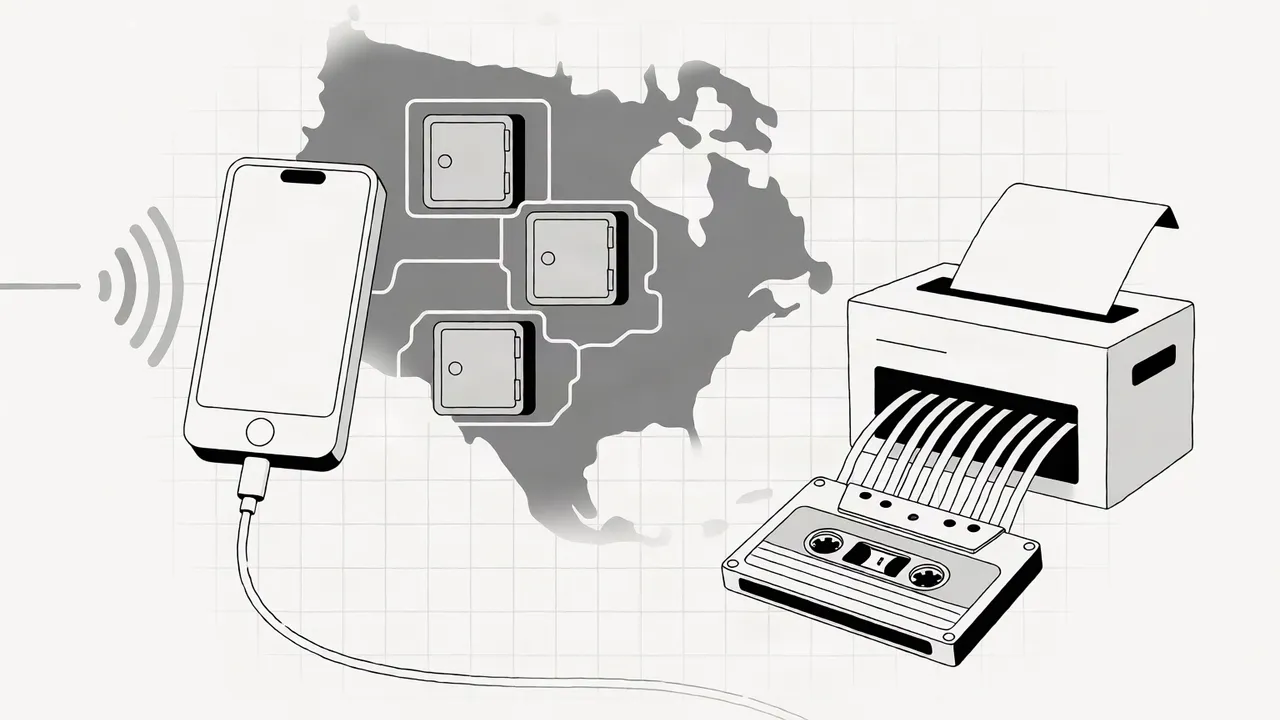
Voice data is biometric and sensitive. It requires encryption at rest and in transit. Processing should happen in-region to comply with data residency laws. We route US calls through US servers and EU calls through EU servers. This prevents unnecessary data export across borders.
Storage policies must be strict. Keep recordings only as long as legally necessary. Auto-delete old logs to reduce attack surfaces. As detailed in our own security writing, safeguarding customer interactions involves strict access controls and encryption [AI Voice Agents and Data Security: Safeguarding Customer Interactions in 2026].
| Feature | Requirement | Implementation |
|---|---|---|
| In-Transit Encryption | TLS 1.3 | Enforced on all streaming voice |
| Data Residency | US/EU/CH | Regional routing enforced |
| Retention | Configurable | Default 90 days, auto-deletion |
| Access Control | Role-based | Strict IAM policies |
Avoid storing raw audio unless required for support. Transcripts are safer and smaller. If you must keep audio, anonymize PII before analytics. This reduces the impact of a breach. Security is not just about firewalls; it is about what you decide not to store.
How do you mitigate bias in AI voice interactions?
Bias enters through training data and prompt engineering. Models may interpret dialects or accents differently. Testing must include diverse voice profiles to ensure fair outcomes. We validate responses against different speech patterns before deployment.
Regular audits are required to catch drift. A model that learns from support data might pick up negative sentiment patterns. If it refuses certain demographics, you face legal risk. We treat fairness as a metric similar to latency. If accuracy drops below a threshold for specific groups, the system pauses for human review.
Avoid generic prompts that assume cultural norms. Tailor interactions to context. If a user sounds confused, slow down. If they use slang, match it without stereotyping. Responsible AI deployment means acknowledging that these models are tools that need human calibration to remain fair.
How do you manage consent effectively?
Consent is not a checkbox. It is a state in your database. You must track explicit permission before calling. For outbound, this includes TCPA compliance. We block calls to numbers on your suppression list automatically.
Include clear opt-out instructions on every call. Saying "Press 0 to opt out" must work instantly. Do not bury this in a long menu. Record the consent timestamp and source. If a caller revokes permission, update the record immediately.
Internal systems must respect these flags instantly. A delay in syncing a revocation can lead to fines. We integrate consent management directly into the dialer. This ensures that if a user opts out, the system does not schedule a callback. It turns compliance into a real-time enforcement layer.
What is the role of human oversight?
AI should handle routine tasks. Humans handle exceptions. A pure bot stack breaks when sentiment turns negative. We force escalation when a user asks for a live person. The handoff must be smooth to avoid frustration.
Oversight also means monitoring logs for errors. Check for hallucinations or policy violations. A model might promise a discount it cannot deliver. Regular sampling of call logs catches this. If you see a pattern of errors, pause the agent.
Human-in-the-loop processes protect you. They ensure accountability. A user should feel heard, even if a machine starts the call. Design workflows where complex queries automatically trigger a ticket for a human team member. This balances efficiency with safety.
How do you build a compliance-first approach?
Start with the strictest jurisdiction. If you target the US and EU, follow both. This simplifies global deployment. Use tools that enforce calling hours. Do not ring phones at night in different time zones.
Check local laws for AI disclosure. Some states require specific phrases. We include these in the script builder. Compliance is not one size fits all. Review your setup every quarter. Regulations change. Staying static invites risk.
| Checkpoint | Status | Action |
|---|---|---|
| AI Disclosure | Enforced | Script template required |
| Consent Logging | Active | Database audit |
| DNC Screening | Real-time | Automatic blocks |
| Data Residency | Verified | Region settings |
Use a platform that treats these as configuration options. If you have to patch compliance manually, you will miss a case. We designed our runtime to enforce these rules by default. This reduces the burden on your ops team.
FAQ
What are the legal risks of unethical AI voice agents?
Ignoring disclosure and consent can lead to fines under GDPR and TCPA. It also risks permanent bans from telecom providers and reputational harm.
How often should I disclose I am using an AI agent?
You must disclose on every call. Do not assume a previous consent covers future interactions. Recurring interactions require re-identification.
Can I store voice recordings indefinitely?
No. Keep recordings only as long as necessary for compliance or support. Auto-delete logs after your retention period to reduce data liability.
How do I handle requests for a human agent?
Always provide an option to speak to a person. If the user asks, escalate immediately. Do not block this path with menus or wait times.
What if my AI agent gets the answer wrong?
Implement confidence thresholds. If the model is unsure, route to a human. Monitor logs for errors and retrain or pause the agent as needed.
Deploying ethical AI voice agents ensures you remain compliant and trusted. We built MCPDial to enforce these standards automatically so you can focus on conversation, not compliance. Explore our AI Voice Agent Compliance Guide for more technical details on setting up your environment.